
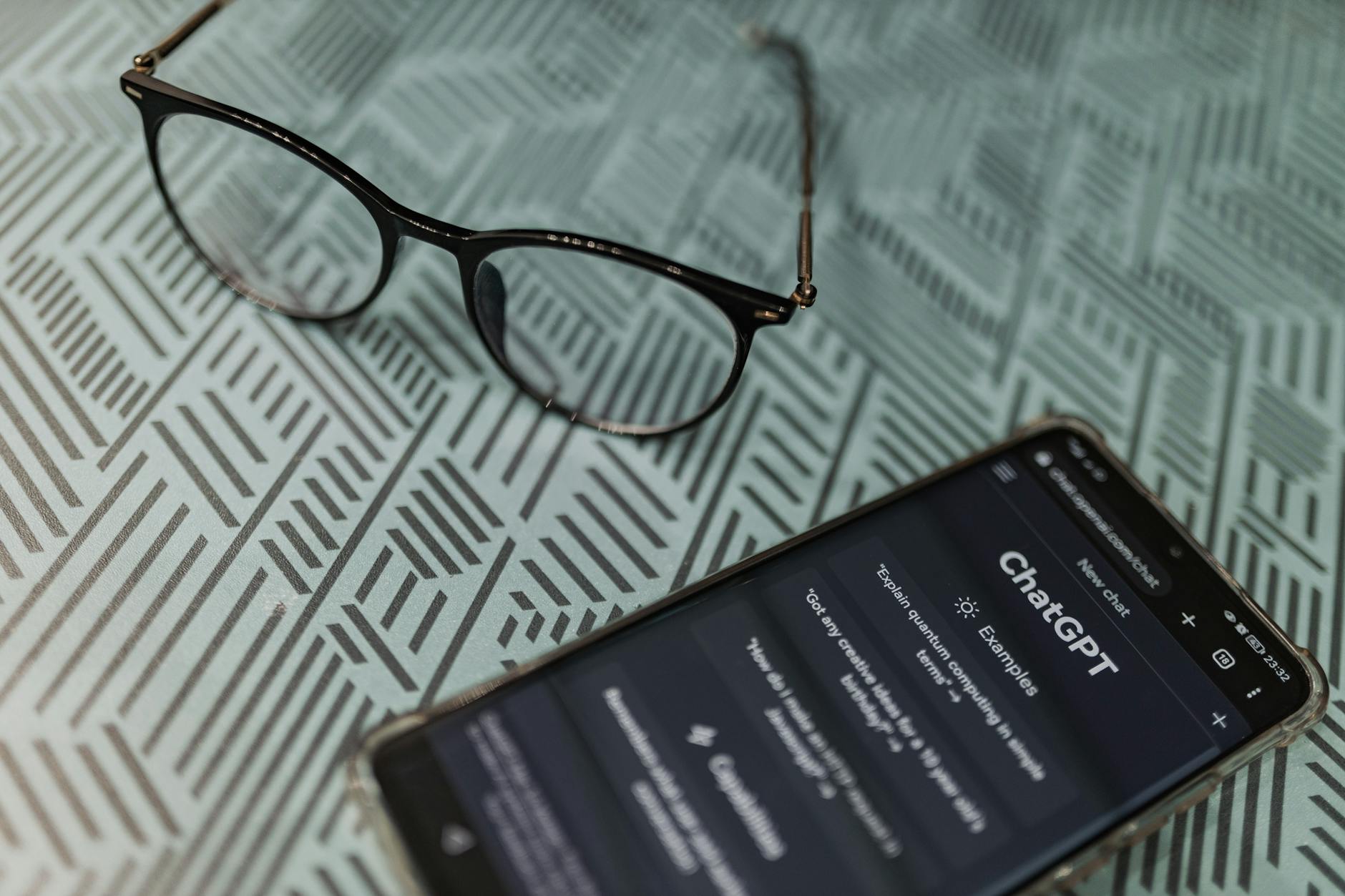
ChatGPT in 2026: Still the King, But the Crown Is Slipping
ChatGPT remains the most capable and versatile AI chatbot available in 2026 for most users — but it's no longer untouchable. With Gemini Ultra, Claude 3.7, and a wave of specialized competitors closing the gap fast, OpenAI's flagship product now has to earn its top spot rather than simply occupy it by default.
We've spent weeks testing ChatGPT across dozens of real-world tasks — writing, coding, research, reasoning, image generation, and everyday productivity. This ChatGPT review gives you the honest picture: what it genuinely does well, where it still falls short, and whether it's worth your money in 2026.
What's New in ChatGPT for 2026?
Since our last deep-dive, OpenAI has shipped meaningful updates that make ChatGPT 2026 a noticeably different product from its 2024 version:
- GPT-4o Turbo with extended context: The flagship model now handles up to 256K tokens, making it practical for analyzing entire codebases or book-length documents.
- Memory 2.0: Persistent, editable memory across sessions is now available on all paid tiers — a genuine quality-of-life improvement.
- Real-time web browsing (improved): Faster, more accurate, and less prone to hallucinating sources than earlier iterations.
- Advanced Voice Mode: Natural, low-latency voice conversations that can handle interruptions — closer to a real assistant than a scripted bot.
- Canvas and operator tools: A reworked document-editing interface and expanded API tools for building custom GPT workflows.
These aren't cosmetic changes. They meaningfully extend what ChatGPT can do in daily use. But they also raise the bar for what "good" looks like — and some rivals have cleared it in specific areas.
ChatGPT Performance: What We Actually Tested
Writing and Content Creation
ChatGPT is still the benchmark for long-form writing. It handles tone shifts, mimics style guides, and maintains coherence across multi-section documents better than any competitor we tested. Whether you need a product description, a cover letter, or a 3,000-word blog post, the output quality is consistently high.
That said, it can drift toward a particular corporate-friendly voice if you don't prompt carefully. Claude 3.7 edges it out on literary prose and nuanced narrative writing — something worth knowing if creative fiction is your primary use case.
Coding and Technical Tasks
This remains one of ChatGPT's strongest areas. It debugs, explains, refactors, and generates code across most major languages with impressive accuracy. The integration with the Canvas editor makes iterative coding sessions smoother than before.
Limitation to note: For highly specialized or niche frameworks, it occasionally produces plausible-sounding but incorrect solutions. Always verify output against documentation.
Research and Reasoning
With improved browsing and a larger context window, ChatGPT now handles research tasks it would have stumbled on in 2024. Summarizing long PDFs, cross-referencing multiple sources, and constructing structured arguments have all improved.
However, hallucination is not eliminated. On obscure factual queries — especially those involving recent events, niche statistics, or technical citations — you should still fact-check independently. This applies to every AI chatbot in 2026, not just ChatGPT.
Image Generation
DALL-E 3 integration remains solid but is no longer best-in-class. Midjourney v7 and Adobe Firefly produce more photorealistic and aesthetically refined images. ChatGPT's image generation is convenient — useful for quick mockups or concept art — but dedicated tools outperform it for serious visual work.
Pricing: Is ChatGPT Worth the Cost in 2026?
OpenAI's pricing structure in 2026:
- Free tier: Access to GPT-4o (with limits), basic browsing, and limited image generation. Genuinely useful for casual users.
- ChatGPT Plus ($22/month): Unlimited GPT-4o access, Memory 2.0, Advanced Voice Mode, and priority capacity.
- ChatGPT Pro ($200/month): Unlimited access to the most powerful models, including o1 Pro for complex reasoning tasks. Designed for power users and professionals.
- Team and Enterprise plans: Custom pricing, enhanced data privacy, admin controls, and dedicated capacity.
For most individuals, the Plus plan hits the right balance. The free tier is surprisingly capable, but the usage caps can be frustrating if you rely on it daily. The Pro plan is hard to justify unless you're using ChatGPT as a core business tool.
ChatGPT vs. The Competition in 2026
Here's a frank comparison against the top alternatives:
- vs. Claude 3.7 (Anthropic): Claude edges ahead on nuanced writing, following complex instructions, and safety-conscious outputs. ChatGPT wins on ecosystem integrations, tool use, and overall versatility.
- vs. Gemini Ultra (Google): Gemini has the advantage in real-time Google Search integration and multimodal tasks involving Google Workspace. ChatGPT is stronger for standalone text and coding tasks.
- vs. Perplexity AI: Perplexity is better for sourced, real-time research. ChatGPT is better for generation, creation, and extended reasoning.
- vs. Meta AI: Meta AI is free and embedded across social platforms, but lacks the depth and reliability of ChatGPT for professional tasks.
Real-World Use Cases Where ChatGPT Shines
- Professional writing and editing: Drafting emails, reports, proposals, and polishing existing copy.
- Software development: Writing boilerplate, debugging logic errors, and explaining unfamiliar codebases.
- Learning and education: Breaking down complex topics, generating practice problems, and tutoring across subjects.
- Business productivity: Summarizing meetings, creating templates, and building custom GPT workflows.
- Brainstorming and ideation: Generating and stress-testing ideas across creative and strategic domains.
Honest Pros and Cons
Pros
- Broadest general capability of any AI chatbot in 2026
- Best ecosystem of integrations, plugins, and custom GPTs
- Significantly improved memory and personalization
- Reliable, consistent performance across diverse task types
- Strong free tier for casual users
Cons
- Hallucinations still occur — especially on obscure or recent facts
- Image generation no longer best-in-class
- Pro plan pricing is steep for individual users
- Can produce generic, "AI-sounding" prose without careful prompting
- Rivals now outperform it in specific niches (creative writing, real-time search)
Verdict: Should You Use ChatGPT in 2026?
Yes — for most people, ChatGPT is still the best AI chatbot in 2026, and it's not particularly close. Its combination of capability, reliability, integration depth, and ecosystem breadth puts it ahead of every competitor for general-purpose use. The free tier is good enough for light users, and the Plus plan delivers real, daily value for professionals and power users.
Where the story gets more nuanced: if you have a specific, narrow use case — high-quality creative fiction, sourced research, or Google Workspace automation — a specialized competitor may serve you better. The AI landscape in 2026 is genuinely competitive in a way it wasn't two years ago, and that's ultimately good for everyone.
Our Rating: 9.0 / 10. ChatGPT 2026 is the most complete AI chatbot on the market. Rivals have closed the gap in specific areas, but none has matched its overall versatility. If you're only going to use one AI tool, this is still the one.
Frequently Asked Questions
Is ChatGPT still the best AI chatbot in 2026?
For most general-purpose tasks — writing, coding, research, and productivity — yes, ChatGPT remains the best AI chatbot in 2026. Competitors like Claude 3.7 and Gemini Ultra outperform it in specific areas, but no single rival matches its overall versatility and ecosystem.
What is the difference between ChatGPT Free and ChatGPT Plus in 2026?
The free tier provides access to GPT-4o with daily usage limits and basic features. ChatGPT Plus ($22/month) removes most usage caps, adds Memory 2.0, Advanced Voice Mode, and priority access during peak hours. For daily professional use, Plus is worth the cost.
Does ChatGPT still hallucinate in 2026?
Yes. Hallucination rates have decreased significantly since earlier versions, but ChatGPT — like all AI chatbots — can still generate plausible but incorrect information, especially for recent events or obscure facts. Always verify critical information from primary sources.
How does ChatGPT compare to Claude in 2026?
Claude 3.7 outperforms ChatGPT on nuanced creative writing, strict instruction-following, and outputs that require careful ethical framing. ChatGPT is stronger on tool integrations, coding breadth, and ecosystem support. The best choice depends on your primary use case.
Is ChatGPT Pro worth $200 per month?
For most individual users, no. The Pro plan is designed for power users and businesses that rely on ChatGPT as a core operational tool and need access to the most advanced reasoning models without any usage limits. The Plus plan at $22/month covers the needs of the vast majority of users.
Can ChatGPT browse the internet in 2026?
Yes. Real-time web browsing is available on paid plans and has improved significantly in speed and accuracy compared to earlier versions. It's useful for current events and recent data, though Perplexity AI remains more reliable specifically for sourced, citation-heavy research.